They didn’t do anything at the other ER
If you go to another ER, what happened at the first one matters. Here’s why prior testing, treatment, and even reassuring results can shape what happens next.

If you go to another ER, what happened at the first one matters. Here’s why prior testing, treatment, and even reassuring results can shape what happens next.
A reassuring ER workup doesn’t mean nothing is wrong. It means the dangerous possibilities have become less likely, even when the final diagnosis is still uncertain.
Most ERs cannot simply turn you away. EMTALA requires an appropriate emergency screening, but it does not guarantee every test, treatment, or admission.
"You have a blood clot... you're going home." It sounds contradictory, but hospital admission isn't based on the diagnosis alone. Emergency physicians decide whether you need something that can only be provided safely in the hospital—and medicine has changed dramatically over the past few decades.
You just heard the word “cancer” in the ER, and now you’re being sent home. Here’s why that can happen, and what it doesn’t mean.
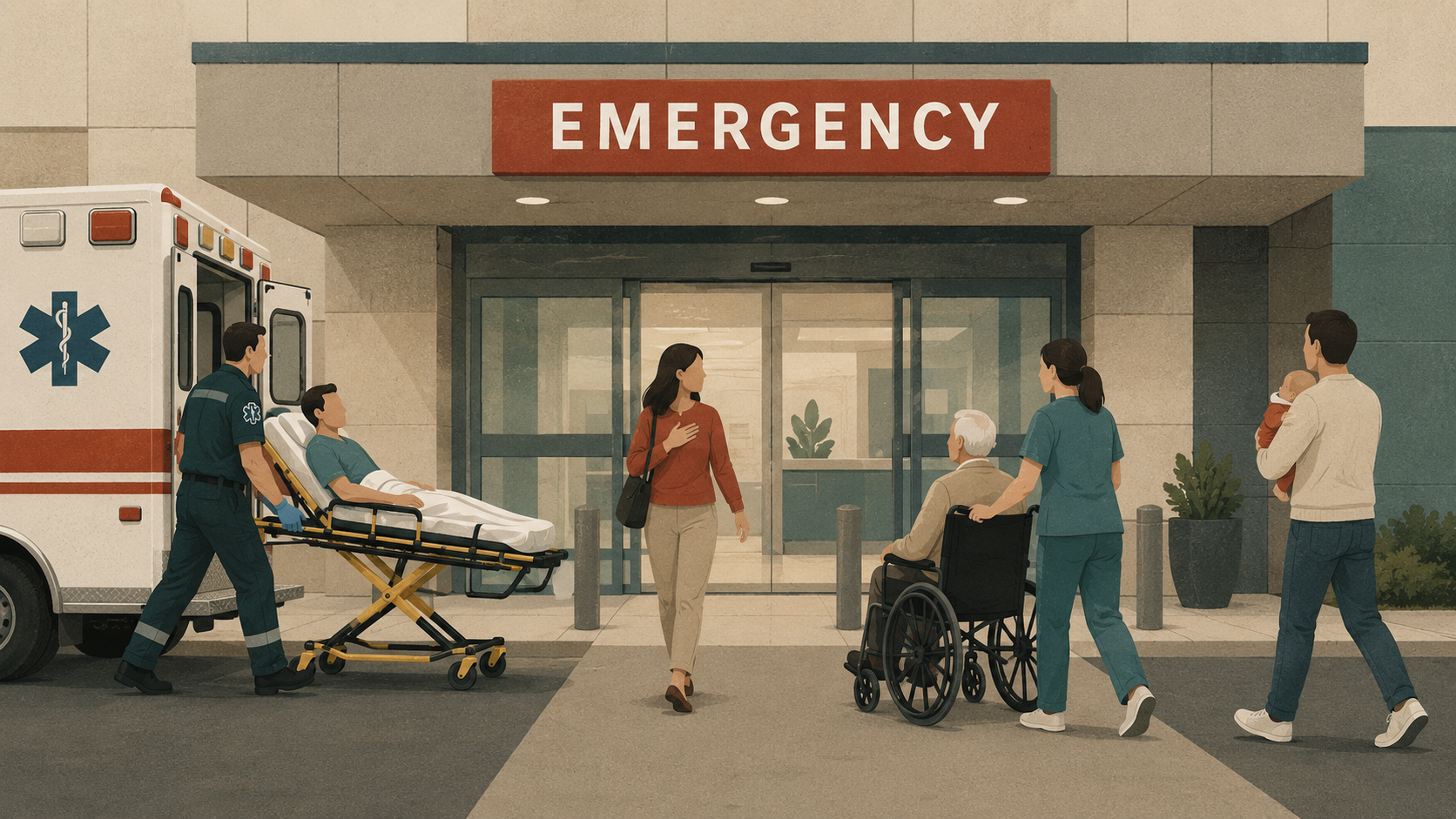
Five patients arrive in ten minutes, by ambulance, on foot, and by wheelchair. Here’s what actually decides who gets treated first, and why.